01Principle
Understand first
Start with the business problem, not the technology. We learn the constraints, the team and the workflow before writing code.
The question we ask
What problem are we solving?

[ About // Systems > Syntax ]
Creativity Coder builds business systems, digital products, websites and automation that solve real operational and growth problems.
Technology is a tool. Value is the product.
Systems are greater than syntax.
The system
The syntax
lead = await capture(form)order = await createOrder(lead)await issueInvoice(order)await syncReports(order)The code is the means. The system is the product.Hover a line of code
01//Philosophy
Most companies don’t stall from a lack of effort. They stall because their daily work is spread across tools that were never built to talk to each other.
So we design technology around how the business actually works, and measure it by what changes once it runs.
Starts with
Conventional:A feature list or a design brief.
Creativity Coder:The constraint underneath the brief: the workflow, the people in it and what it costs today.
First question
Conventional:What should it look like?
Creativity Coder:What problem are we solving, and who experiences it?
Delivers
Conventional:A website or an app.
Creativity Coder:A connected system: interface, data, workflows and automation working as one.
Technology
Conventional:Chosen by habit or by trend.
Creativity Coder:Chosen around the problem, the constraints and what the business will need next.
After launch
Conventional:A handover.
Creativity Coder:A system that keeps improving as the business grows.
02//Systems thinking
Creativity helps us understand possibilities. Design makes them usable. Engineering makes them reliable. Automation makes them operational. Select a discipline to see what it adds.
↺ The outcome feeds back into strategy
01 / 05
Understand the business
Before anything is designed we trace the workflow, the people in it and the constraint underneath the brief. Creativity helps us see what is possible; strategy decides what is worth building.
03//Principles
Start with the business problem, not the technology. We learn the constraints, the team and the workflow before writing code.
The question we ask
What problem are we solving?
Make complicated work easier to operate. Clean interfaces and structured data replace brittle, multi-step manual handoffs.
The question we ask
What should happen instead?
Design systems that can evolve as requirements change. Modular architecture adapts as the business grows.
The question we ask
What should the system become as the business grows?
Technology should create practical value, not just look impressive. Every feature has to earn its place in the business.
The question we ask
Who experiences it?
04//How we work
The same path on every engagement, from the first conversation to a system that keeps improving. Each stage ends with something you can see and sign off.
See it in motion01
Understand the business.
We audit operational workflows, trace bottlenecks, and identify the real business challenge underneath the brief.
OutputDiagnostic report & operational scoping blueprint
, then02
Design the system.
We structure modular data models, type-safe API boundaries, and clear user flows before engineering begins.
OutputSystem architecture spec & database schema
, then03
Engineer the product.
We write clean, production-grade code designed around user intent, operational clarity, and high performance.
OutputTested modular application & component library
, then04
Integrate the workflows.
We connect disparate tools, databases, and third-party APIs into a cohesive, bi-directional operational engine.
OutputActive API integrations & verified data sync
, then05
Deploy and validate.
We deploy to resilient cloud infrastructure with explicit validation, automated fallbacks, and recovery paths.
OutputProduction deployment & end-to-end validation
, then06
Improve as the business grows.
We monitor production behavior, optimize bottlenecks, and scale capacity as business volume climbs.
OutputContinuous optimization & capability expansion
05//People & proof
No account managers or junior pass-offs. You work directly with the people who design, write and deploy your system.
Co-Founder & Technical Architect
Engineers resilient digital platforms and scalable software infrastructure. Focused on sub-second performance, relational data integrity, and high-concurrency event pipelines.
Co-Founder & Product Engineer
Designs and builds tactile, high-density digital products and automated workflow engines. Bridges complex operational requirements with calm, intuitive interfaces.
Ahmedabad, Gujarat, India · Working worldwide
Selected systems
All work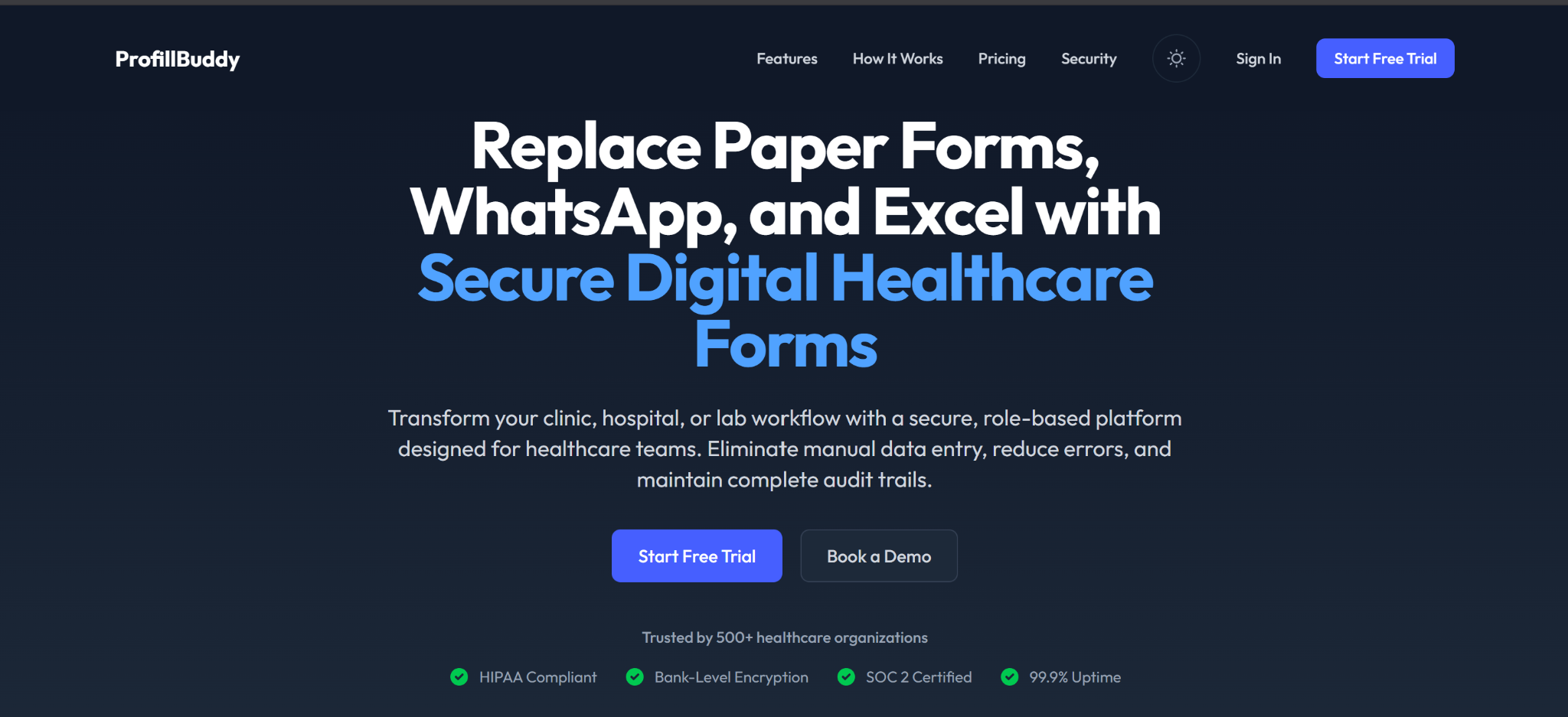
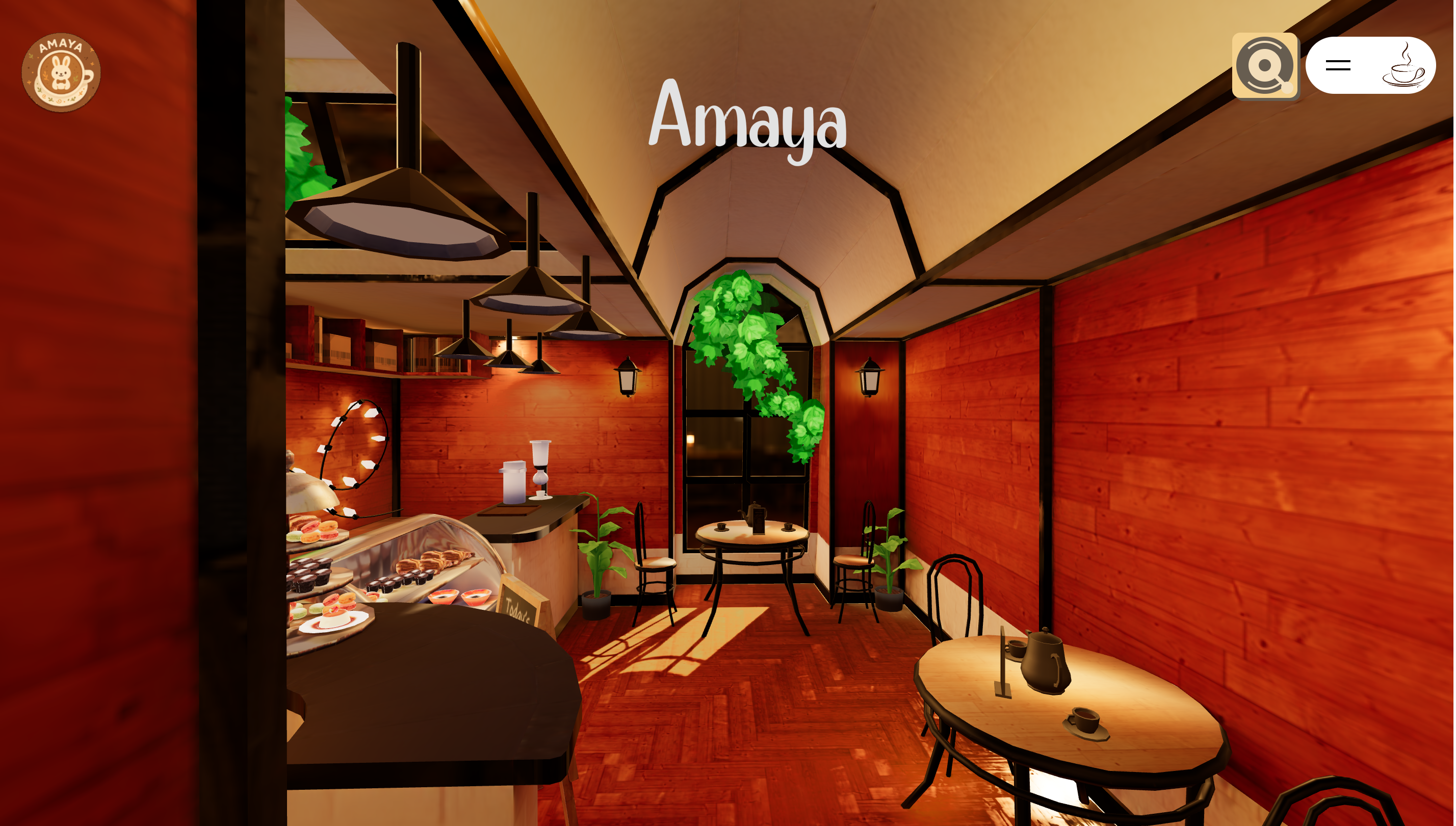

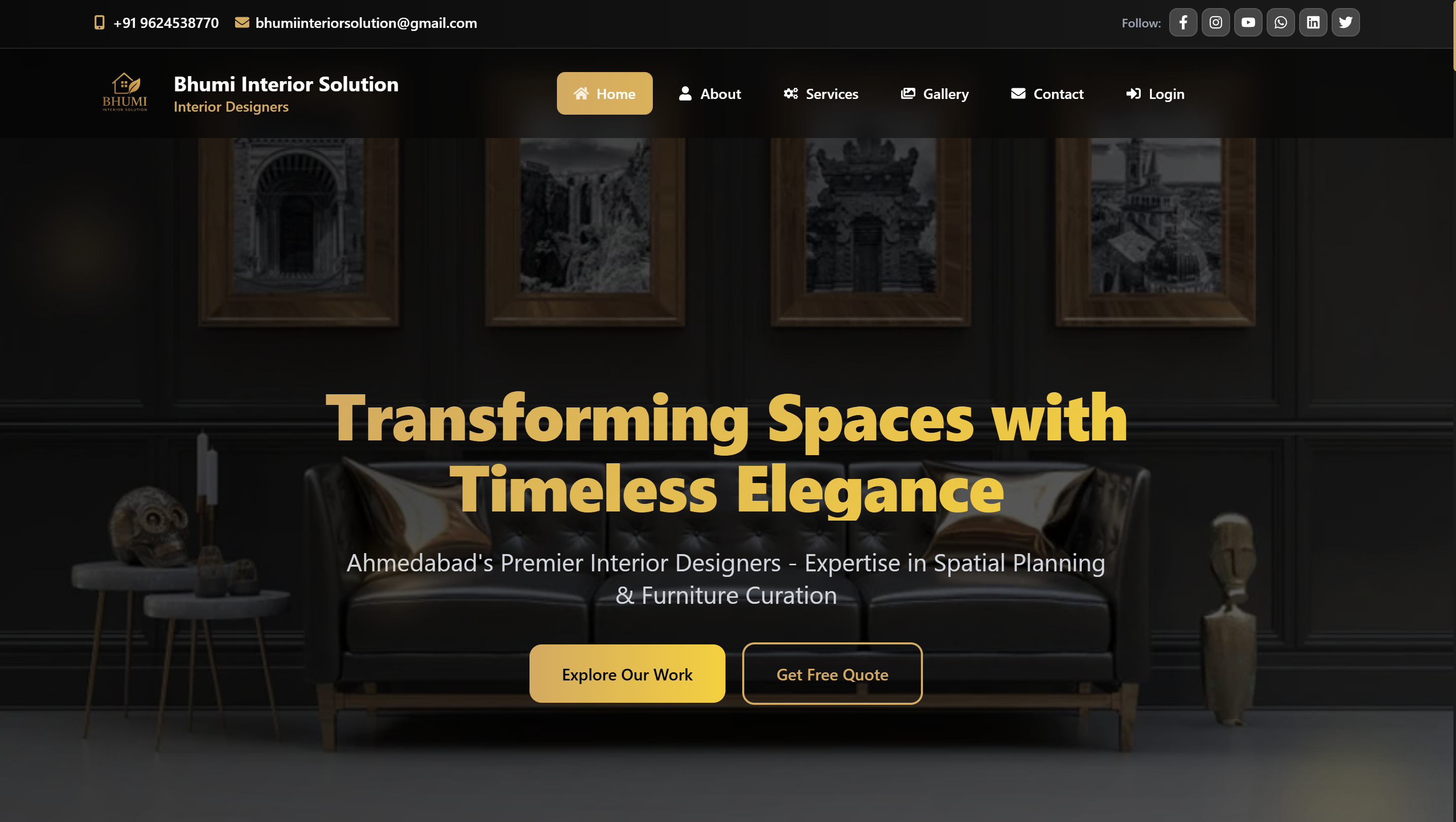
We don’t build for the next click.
A business doesn’t need another disconnected digital asset. It needs technology that helps it work better.
Think Creative. Build Smart.